The true essence of Dominican cooking isn’t a fixed “trinity” of spices, but a dynamic culinary philosophy balancing sweet, savory, and historical influences.
- Dominican `sazón` (sofrito) is distinct for its use of vinegar and achiote, creating an aromatic, not spicy, base.
- The `agridulce` (sweet-savory) profile, seen in dishes with raisins, is a direct legacy of Spanish-Moorish cuisine.
Recommendation: To truly understand the food, look beyond recipes and explore the cultural rituals behind meals like `La Bandera` and the regional variations like Samaná’s coconut-based cuisine.
Ask any foodie about Dominican cooking, and you’ll likely hear about a “holy trinity” of flavors. The question is, which three? Some say it’s garlic, oregano, and peppers. Others point to the foundational sofrito, known locally as `sazón`. While these ingredients are undeniably crucial, focusing on a simple list misses the bigger picture. It’s like learning three words of a language and thinking you can write poetry. The real magic of the Dominican palate isn’t in a static list of spices, but in a living, breathing culinary philosophy shaped by centuries of history, regional identity, and daily ritual.
Most guides will give you recipes for Sancocho or tell you sofrito is the base for everything. But they rarely explain why Dominican sofrito has a reddish hue, why raisins appear in savory meat pies, or how a wave of 19th-century immigrants completely transformed the food of an entire peninsula. This isn’t about just recreating dishes; it’s about understanding the logic and soul behind them. The key lies not in a trinity, but in a series of dynamic flavor principles: the aromatic depth of `sazón`, the sweet-and-savory play of `agridulce`, and the profound connection between a dish and its place in the culture.
This guide will take you beyond the ingredient list. We will deconstruct the core tenets of the Dominican flavor profile, exploring the history behind the techniques and the cultural significance of the island’s most iconic meals. By the end, you won’t just know what goes into Dominican food; you’ll understand its heart.
To truly master the Dominican palate, we will explore the foundational pillars of its cuisine, from its unique flavor base to its most cherished culinary traditions. This journey will uncover the stories and techniques that define this vibrant food culture.
Summary: Beyond the ‘Holy Trinity’: Unlocking the True Soul of Dominican Cooking
- Why Is Dominican Sofrito Different from Puerto Rican Sofrito?
- Why Do Dominicans Put Raisins in Savory Meat Dishes?
- The Samaná Influence: How Coconut Transformed Regional Cooking?
- Where to Buy Fresh Oregano and Achiote in Local Markets?
- Why Is Lunch (La Comida) the Heaviest Meal of the Day?
- Why Is Sancocho Considered a “Cure-All” and Celebration Dish?
- How to Tour a Cacao Plantation and Make Your Own Chocolate?
- How to Eat Street Food (Fritura) Safely Without Getting Sick?
Why Is Dominican Sofrito Different from Puerto Rican Sofrito?
The concept of a foundational aromatic paste, or `sofrito`, is common across the Caribbean, but the Dominican version tells its own unique story. While its Puerto Rican cousin is celebrated for its vibrant green color from cilantro and peppers, Dominican `sazón` stands apart with a distinctive reddish-orange tint and a different flavor profile. The difference isn’t just cosmetic; it’s a lesson in the island’s specific culinary identity. It’s less about herbal freshness and more about a deep, savory, and slightly acidic foundation.
The key differentiators are achiote (annatto seeds) and vinegar. Achiote seeds lend the `sazón` its signature color and a subtle, earthy pepperiness. Vinegar, on the other hand, acts as both a preservative and a flavor enhancer, cutting through the richness of meats and stews with a bright tang. This isn’t about creating a “spicy” heat; Dominican food is generally not fiery. Instead, it’s about building layers of aromatic complexity. As culinary blogger Eden Westbrook notes, the shared ingredients are there, but the additions create something new.
Dominican sofrito is called sazón, made with all types of peppers and culantro just like in PR, but also has lots of garlic, annatto seeds, and vinegar.
– Eden Westbrook, Sweet Tea and Thyme Culinary Blog
As you can see, the visual contrast is stark. The green Puerto Rican sofrito often highlights fresh herbs, while the Dominican `sazón` leans into a richer, more grounded flavor profile perfect for long-simmered dishes. This fundamental difference in the flavor base is the first step in understanding the island’s entire culinary philosophy. It’s a deliberate choice for depth and complexity over simple herbaceousness.
Why Do Dominicans Put Raisins in Savory Meat Dishes?
Encountering raisins in a savory ground meat dish like `picadillo` or a layered plantain casserole (`pastelón`) can be surprising to the uninitiated. This isn’t a random addition; it’s the most direct expression of one of the central pillars of Dominican flavor: `agridulce`, the deliberate and celebrated balance of sweet and sour. This flavor dialectic is a powerful culinary signature that elevates simple dishes into complex, memorable experiences. The raisins aren’t just for sweetness; they provide small, concentrated bursts that contrast with the salty meat, savory onions, and acidic tomatoes.
This tradition isn’t a modern invention. It’s a direct culinary inheritance from Southern Spain, where Moorish influence left a lasting mark on the cuisine for centuries. The Moors introduced ingredients like raisins, almonds, and spices like cinnamon into savory cooking, a style that Spanish colonizers brought with them to the Caribbean. While other islands adopted and adapted this influence, it became deeply embedded in the Dominican culinary DNA.
Case Study: Pastelón and the Agridulce Tradition
Pastelón, often called “Dominican lasagna,” is the perfect example of the `agridulce` philosophy in action. This beloved dish layers sweet, caramelized ripe plantains with a savory ground meat filling, which itself contains raisins and sometimes olives. The sweetness of the plantains provides a soft, deep counterpoint to the salty, seasoned meat and cheese. The raisins within the meat add another layer of sharp, fruity sweetness that cuts through the richness and balances the acidity of the tomato base. It’s a masterful composition where every element has a counterpart, creating a harmonious whole that is quintessentially Dominican.
So, the next time you taste a raisin in your empanada, recognize it not as an oddity, but as a taste of history. It’s a small but powerful symbol of a sophisticated flavor philosophy that values contrast and balance above all else, connecting the modern Dominican table directly to the kitchens of Moorish Spain.
The Samaná Influence: How Coconut Transformed Regional Cooking?
While `sazón` and `agridulce` are national concepts, Dominican cuisine is not monolithic. To truly understand its depth, you must travel to the Samaná Peninsula, where a unique chapter of history gave birth to a distinct regional `terroir culinaire`. Here, coconut isn’t just an ingredient; it’s the heart of the local cuisine, a legacy of a group of freed American slaves who settled here in the 19th century. Nowhere else in the Dominican Republic produces more coconuts, earning it the nickname the “Coconut Coast.”
The story begins in 1824, when a ship named the Turtle Dove brought a group of freed African-American slaves from the United States to Samaná. These settlers, known as the “Samaná Americans,” brought their culinary traditions from the American South, which were rich in coconut-based cooking. This influence merged with local Taíno and African ingredients, creating a fusion cuisine found nowhere else on the island. As the Samana Group Historical Archives state, “The local cuisine is a mirror of its history.”
The 1824 Samaná Americans Migration and its Culinary Legacy
An account of this migration details how these “Samaná Americans” adapted their Southern cooking traditions. They established farms growing coconuts, coffee, and cacao, fundamentally transforming the region’s culinary identity with their coconut-first philosophy. This history is alive today in signature dishes like `Pescado con Coco` (Fish in Coconut Sauce), where fresh fish is simmered in a luscious sauce of coconut milk, garlic, and peppers. Other dishes, like `Moro de Guandules con Coco` (rice with pigeon peas and coconut), showcase how this single ingredient elevated everyday staples into rich, fragrant meals that define the region.
This historical event created a distinct culinary pocket within the Dominican Republic. It serves as a powerful reminder that a nation’s palate is often a map of its people’s journeys, with each wave of migration adding a new and delicious layer to the story.
Where to Buy Fresh Oregano and Achiote in Local Markets?
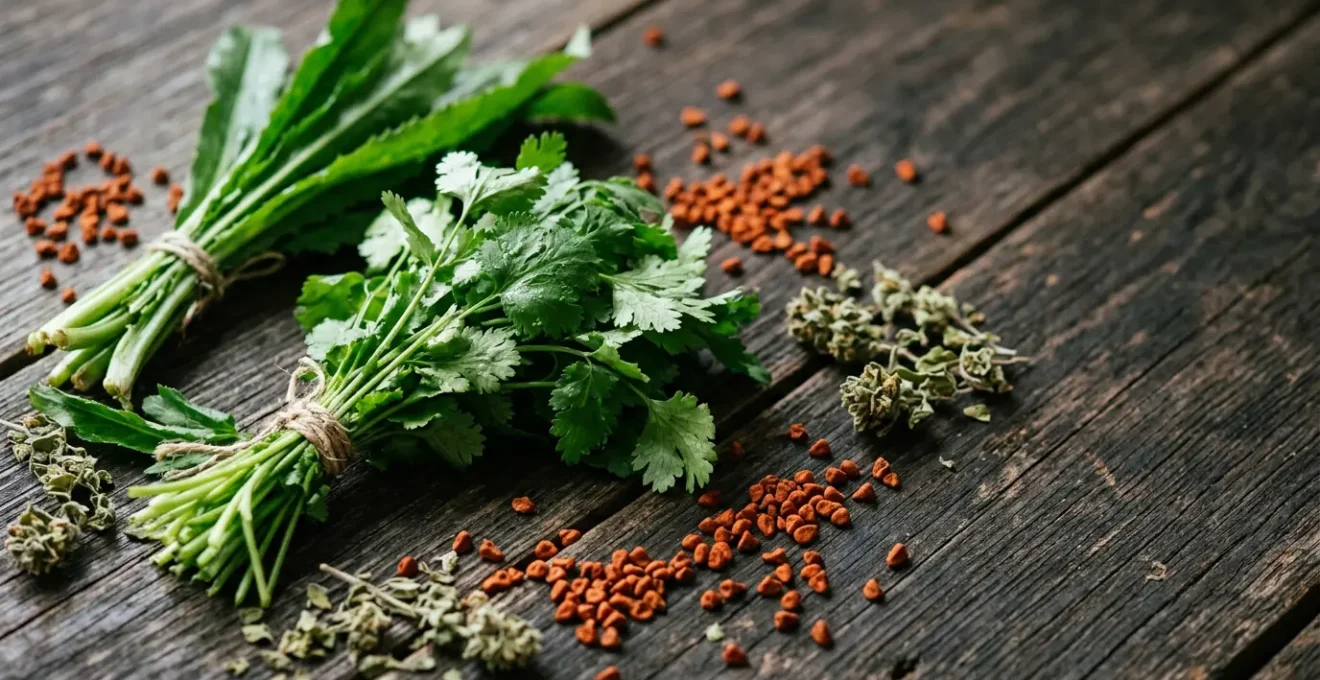
Understanding the flavors of Dominican cooking is one thing; recreating them requires sourcing the right ingredients. For foundational elements like oregano and achiote, the supermarket aisle is often not enough. The key is knowing where to look, as different types of markets offer these ingredients in various forms. Dominican oregano, in particular, is a world away from the dried Mediterranean herb found in most spice racks. It is a different species (`Lippia micromera`), intensely pungent and almost peppery, known locally as `orégano del país`.
Navigating the local markets becomes a crucial skill for any home cook serious about authenticity. Each type of vendor serves a specific purpose, from providing the freshest herbs to offering convenient, ready-to-use pastes. Knowing the difference between a `mercado`, a `colmado`, and a `puesto de vegetal` is the key to unlocking the true potential of your Dominican cooking. This three-tiered system ensures you can find exactly what you need, in the form you need it.
To find the most authentic ingredients, follow this strategy:
- Mercado (Central Market): This is your primary destination for the freshest produce. Head to the large municipal markets to find `orégano poleo` or `orégano del país` sold in vibrant, leafy bundles. The aroma alone will tell you it’s different. This is the best form for infusing oils or making `sazón` from scratch.
- Colmado (Neighborhood Corner Store): The ubiquitous colmado is perfect for convenience. Here, you’ll find dried and ground versions of Dominican oregano, which has a slightly different, more robust flavor profile ideal for seasoning meats. They also stock ready-to-use achiote products, saving you a step.
- Puesto de Vegetal (Roadside Vegetable Stand): These stands are treasure troves for achiote in all its forms. Look for whole dried seeds (`granos`) to make your own infused oil, reddish paste (`pasta de bija`) for direct use in stews, or pre-made infused oil (`aceite de bija`) for a quick splash of color and flavor.
By understanding the roles of these different markets, you move from a passive consumer to an active participant in the culinary culture, sourcing ingredients with intention and purpose, just as local cooks have done for generations.
Why Is Lunch (La Comida) the Heaviest Meal of the Day?
In many Western cultures, lunch is a quick affair, a sandwich grabbed between meetings. In the Dominican Republic, it is the undisputed main event. `La comida`, served at midday, is the heaviest and most important meal, a cultural institution so ingrained that many businesses close for up to two hours to allow employees to go home and eat with their families. This practice isn’t just about sustenance; it’s a daily ritual that reinforces family bonds and national identity, most powerfully embodied in the national dish: `La Bandera Dominicana`.
This isn’t just a meal; it’s an edible flag, a daily reaffirmation of Dominican identity. It anchors the day, providing the fuel for the afternoon’s work and serving as the primary moment for communal connection. In a world that’s constantly speeding up, the Dominican lunch is a powerful act of cultural preservation, prioritizing community and a home-cooked meal over convenience.
A recent analysis of the Dominican Republic’s most iconic dishes highlights `La Bandera` as a cultural cornerstone. The dish consists of three core components that mirror the colors of the nation’s flag.
The plate is a visual and culinary representation of the flag: fluffy white rice, savory stewed red beans (`habichuelas guisadas`), and a portion of braised or stewed meat (typically chicken, beef, or pork) representing the shield. Often accompanied by a simple salad and `tostones` (fried green plantains), `La Bandera` is a complete, balanced, and deeply satisfying meal. Its daily consumption is a ritual that connects Dominicans across all social classes to their shared heritage, making lunch far more than just a meal—it’s a patriotic act.
Why Is Sancocho Considered a “Cure-All” and Celebration Dish?
If `La Bandera` is the daily pulse of Dominican life, `Sancocho` is its heartbeat during moments of special significance. This hearty, meat-and-root-vegetable stew operates on two distinct but complementary levels: it is both the ultimate restorative comfort food and the centerpiece of any major celebration. Its dual identity as a “cure-all” and a party dish reveals much about the Dominican approach to food as a source of both physical and social nourishment. Whether it’s to recover from a cold or to celebrate New Year’s Eve, `Sancocho` is the answer.
The secret to its power lies in its composition and the very process of making it. According to the authoritative blog My Dominican Kitchen, Sancocho’s restorative power comes from its combination of rehydrating liquid, nutrient-dense root vegetables (`víveres`), and protein from multiple meats. This makes it the go-to remedy for everything from exhaustion to the common cold, and it’s famously rumored to be an excellent hangover cure.
The Dual Ritual of Sancocho
As a celebratory dish, the focus shifts to the communal act of preparation. A giant `caldero` (cauldron) is often set up over an open fire (`fogón`), with friends and family gathering to contribute ingredients and time. The most lavish version, `Sancocho de Siete Carnes`, is a carnivore’s dream. This seven-meat stew symbolizes ultimate abundance, and the ability to include all seven meats—typically including beef, goat, chicken, and various cuts of pork—signifies a truly special occasion. The slow simmering of meats, plantains, yuca, yautía, and squash creates a thick, rich stew that is a meal in itself, embodying generosity and togetherness.
In this way, `Sancocho` transcends being a mere recipe. It becomes a ritual. For recovery, it’s a personal act of self-care. For celebration, it’s a public expression of community and prosperity. It is, in every sense, the soup for the Dominican soul.
How to Tour a Cacao Plantation and Make Your Own Chocolate?
To fully connect with the Dominican palate, one must go to the source. The island is renowned for its high-quality cacao, the raw ingredient for chocolate, and touring a plantation offers a multi-sensory experience that ties together agriculture, history, and flavor. It’s a chance to move beyond consumption and participate in creation, transforming the bitter cacao bean into the rich, aromatic chocolate the world loves. These tours are particularly popular in regions like the Samaná Peninsula, where cacao farming is a historic and vital part of the local economy.
A good tour is not a passive viewing; it’s an active, hands-on lesson in the `terroir` of chocolate. You’ll learn to distinguish between boutique organic `fincas` (farms), which offer authentic interactions with farmers, and larger commercial plantations with more polished presentations. More importantly, you’ll engage all your senses to understand the complex journey from bean to bar. You will witness the fermentation process, where the fruity aromas first develop, and see the vast patios where beans are sun-dried and raked by hand.
Your Sensory Checklist for a Cacao Plantation Tour
- Smell: Identify the sharp, fruity aroma of fermenting cacao beans. This is the crucial first step where the precursors to chocolate’s complex flavor develop.
- Touch: Feel the smooth, oily texture of a freshly roasted cacao bean after its shell has been removed. Contrast this with the feel of the raw, unprocessed bean.
- See: Observe the traditional sun-drying process on large patios. Watch as workers regularly turn the beans with wooden rakes to ensure even drying and prevent mold.
- Create: Participate in making traditional Dominican `bolas de cacao`. These are rustic, unrefined balls of 100% ground cacao paste, which locals grate to make a robust, frothy hot chocolate, completely different from a tempered chocolate bar.
- Learn: Ask questions to distinguish between the different types of farms. Understand the difference in process and philosophy between a small, organic `finca` and a large-scale commercial plantation.
This experience connects you directly to the land and the people who cultivate one of the island’s most famous exports. Making your own `bolas de cacao` is a tangible, delicious souvenir that encapsulates the entire journey, providing a deeper appreciation for the chocolate you consume back home.
Key takeaways
- Dominican flavor is a philosophy based on historical layers and balance, not just a “trinity” of spices.
- The `agridulce` (sweet-savory) profile and the unique `sazón` are foundational pillars of the cuisine.
- Cultural rituals, like the daily `La Comida` and celebratory `Sancocho`, are as important as the ingredients themselves.
How to Eat Street Food (Fritura) Safely Without Getting Sick?
No culinary exploration of the Dominican Republic is complete without diving into its vibrant street food scene, known as `fritura`. From crispy `yaniqueques` to savory `cativía` empanadas, these fried delights are an accessible and delicious window into everyday Dominican flavors. However, for travelers, navigating street food can be intimidating. The key to enjoying it safely is not avoidance, but education. By learning to “read” a street food stall like a local, you can minimize risks and indulge with confidence.
The most important principle is to choose vendors with a high rate of food turnover. A busy stall with a line of locals is your best indicator of safety and quality. This high demand means that food is constantly being cooked fresh, not sitting out for long periods. Another crucial factor is the quality of the frying oil. Look for oil that is light-colored and clear; dark, smoking oil is a sign that it has been overused and can contain harmful compounds. Observing these simple cues can make all the difference between a delicious memory and an unpleasant experience.
According to Dominican Cooking, a trusted resource on local cuisine, a few simple checks can ensure a safe and enjoyable `fritura` experience. To eat street food like a pro, you should:
Beyond hygiene, it helps to know what to order. Start with popular and safe choices. `Yaniqueque` (a large, crispy fried bread), `Cativía` (empanadas made with cassava flour), `Chimi` (a Dominican-style burger with cabbage slaw), and `Fritos Maduros` (fried sweet plantains) are all beloved staples. Ordering these popular items confidently from a busy vendor who practices good hygiene is the surest way to safely enjoy one of the most authentic aspects of Dominican food culture.
By understanding the `sazón`, the `agridulce` principle, regional histories, cultural rituals, and even how to safely enjoy street food, you have moved far beyond a simple list of “trinity” spices. You now possess the keys to the Dominican culinary language, allowing you to taste not just ingredients, but stories. The next step is to take this knowledge to the kitchen or to the island itself and start your own delicious exploration.