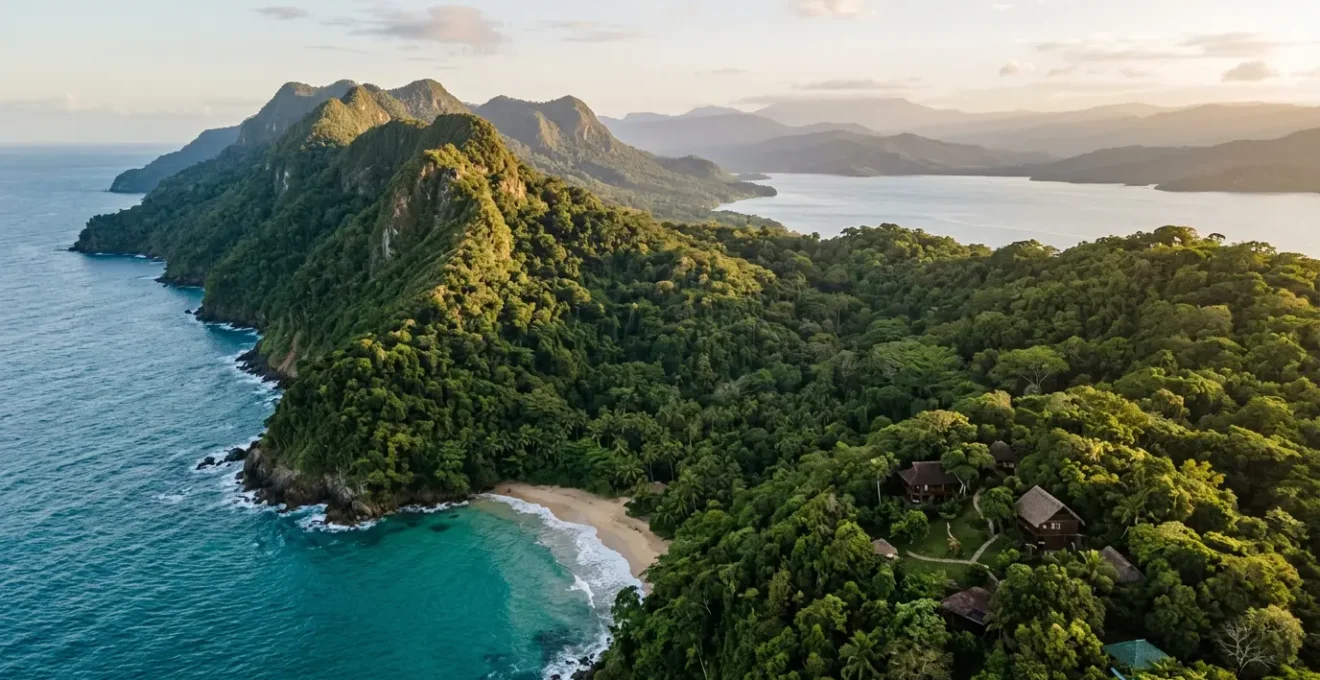
Planning an authentic week in Samaná isn’t about the famous spots you visit, but the conscious way you visit them.
- Focus on the ‘why’: Understand that higher prices often reflect a conservation-first model that protects the very nature you’ve come to see.
- Prioritize people: Buy your dinner directly from fishermen and hire local guides for deeper, safer access to the peninsula’s treasures.
Recommendation: Ditch the typical tourist checklist and embrace the peninsula’s unique rhythm for a truly transformative experience.
So, you’re thinking about Samaná. You’ve seen the photos—the impossible turquoise water, the coconut groves stretching for miles, the humpback whales breaching against a backdrop of emerald hills. But you’re a traveler, not a tourist. You’re looking for that deeper connection, the kind you don’t find in an all-inclusive resort. You’re after the bohemian, eco-conscious soul of the Dominican Republic, and you’ve heard whispers that Samaná is where to find it.
Most guides will give you a checklist: see El Limón waterfall, visit Playa Rincón, go whale watching. And while those things are incredible, they’re just the surface. They don’t tell you how to navigate the subtle cultural nuances, how to make choices that support the local community and environment, or how to truly sync up with the laid-back rhythm of the peninsula. As an expat who’s made this place home, I’ve learned that the real magic of Samaná isn’t in what you do, but *how* you do it. It’s about understanding the local calculus.
This isn’t a checklist. This is an insider’s guide to planning a week that feels less like a vacation and more like a homecoming. We’ll explore the distinct vibes of its main towns, understand the economics behind its pristine nature, and cover the practicalities—like renting an ATV without a headache and booking a whale tour that actually respects the animals. We’ll get you ready to disconnect from the grid and reconnect with what matters.
This guide provides a roadmap for crafting an experience that goes beyond the surface. Below, the table of contents will help you navigate the key decisions and preparations for an authentic journey into the heart of Samaná.
Summary: A Week of Authentic Connection in Samaná
- Las Terrenas or Las Galeras: Which Town Suits Your Vibe?
- Why Prices in Samaná Are Higher Than in Puerto Plata?
- How to Rent an ATV (Quad) Safely to Explore the Peninsula?
- The European Holiday Rush: When to Avoid Las Terrenas?
- Where to Buy Fresh Fish Directly from the Fishermen in Samaná?
- How to Book an Ethical Whale Watching Tour That Respects the Animals?
- How to Access the Most Dramatic Landscapes of the Peninsula Safely?
- How to Prepare for a Stay in an Off-Grid Jungle Lodge?
Las Terrenas or Las Galeras: Which Town Suits Your Vibe?
The first decision that will define your trip is choosing your home base. Samaná isn’t a monolith; its two main traveler hubs, Las Terrenas and Las Galeras, offer wildly different experiences. This isn’t about which is “better,” but which one aligns with the frequency you’re looking for. Think of Las Terrenas as the social bohemian heart of the peninsula. It’s a vibrant, multicultural town with a distinct European flavour, buzzing with cafés, French bakeries, yoga studios, and a nightlife that hums until the early hours. The infrastructure is well-developed, and the energy is fast-paced.
Las Galeras, on the other hand, is the solitary naturalist’s dream. It’s a quiet, rural village where the pace of life slows to a crawl. The authentic Dominican feel is much stronger here. While it has fewer services, this is where you’ll find true tranquility and some of the peninsula’s most dramatic, untouched beaches like Playa Rincón and Playa Frontón. The difference is stark, and it’s reflected in the cost; recent market analysis shows property prices in Las Galeras can be a fraction of those in the more developed Las Terrenas, a clear indicator of the tourism density in each.
To make the right choice, you need to be honest about what you want. Are you seeking social connection, culinary variety, and easy access to amenities? Or is your goal to disconnect, immerse yourself in raw nature, and experience a more traditional side of Dominican life? The following table breaks down the decision-making process.
| Criteria | Las Terrenas (Social Bohemian) | Las Galeras (Solitary Naturalist) |
|---|---|---|
| Atmosphere | Busy, multicultural, fast-paced with thriving nightlife | Quiet, rural, slower pace with authentic feel |
| Infrastructure | Well-developed: yoga studios, French bakeries, clubs | Less developed, fewer services but lower prices |
| Beaches | Playa Bonita, Playa Cosón – easy access with beach bars | Playa Rincón, Playa Frontón – pristine, some boat-only access |
| Price Level | Higher – reflects more tourist infrastructure | Lower – budget travelers paradise |
| Best For | Social travelers, food lovers, nightlife seekers | Nature lovers, solitude seekers, authentic experiences |
Why Prices in Samaná Are Higher Than in Puerto Plata?
It’s a common observation from travelers familiar with other parts of the DR: “Why does my dollar not go as far in Samaná?” If you’re comparing it to the mass-market resort hubs like Punta Cana or Puerto Plata, you’ll definitely notice a price difference. But this isn’t a bug; it’s a feature. The higher cost is a direct reflection of Samaná’s conservation-focused tourism model. This peninsula has consciously chosen a different path, prioritizing low-density, high-value eco-tourism over high-volume, all-inclusive packages.
Think of it as a value premium. A significant portion of your expenses, often baked into accommodation and tour costs, goes directly towards protecting the very nature you’ve come to enjoy. This includes maintaining the Marine Mammal Sanctuary, where thousands of humpback whales come to breed, and preserving the pristine national parks. The entire economic ecosystem is built around small-scale, locally-owned businesses—eco-lodges, independent guides, and family-run restaurants—rather than large foreign-owned corporations. This model ensures tourism revenue circulates within the community, but it also means higher operational costs per guest compared to a 1000-room resort.
Furthermore, the peninsula’s remote location adds a logistical premium. Everything from construction materials to imported goods for the European-style restaurants costs more to get here. This all contributes to a price point that protects the area from over-development and preserves its unique, untouched character. When you pay a little more in Samaná, you’re not just buying a vacation; you’re investing in a sustainable model that keeps this corner of the world special.
- Infrastructure costs: The remote location can increase logistics and construction expenses by 20-30%.
- Conservation fees: A portion of what you pay helps support the marine sanctuary and national park upkeep.
- Small-scale operations: Family-owned lodges have higher per-guest costs than massive, economies-of-scale resorts.
- Limited supply: Restricted development keeps accommodations relatively scarce, which naturally drives up prices during peak seasons.
How to Rent an ATV (Quad) Safely to Explore the Peninsula?
An ATV, or ‘quad’ (pronounced ‘kwah’) as they’re known locally, is the unofficial vehicle of Samaná. It’s the absolute best way to explore the bumpy backroads, discover hidden beaches, and truly feel the wind in your hair. However, renting one requires a bit of know-how to ensure your adventure is safe and hassle-free. The rental scene can be a bit of a wild west, with varying levels of vehicle maintenance and insurance clarity. Don’t just grab the first one you see on the street.
Your first step is to choose a reputable rental shop over a random guy flagging you down. Look for established businesses with a physical location. Expect to pay around $20-$50 USD per day depending on the season and the model, but don’t let price be your only guide. The most crucial part of the process is the pre-ride inspection. Before you hand over any money or your ID, you need to become a temporary mechanic. This isn’t just about avoiding a breakdown; it’s about your safety on roads that can be unpredictable.
This inspection also protects you financially. Documenting any existing scratches or damage with timestamped photos on your phone is non-negotiable. Also, clarify the ‘seguro’ (insurance). In most cases, it only covers third-party liability, meaning you are responsible for any damage to the ATV itself. Knowing this upfront prevents major headaches later. The freedom an ATV provides is unparalleled, but it’s a freedom that comes with responsibility.
Your Pre-Ride ATV Safety Checklist
- Tires: Check tread depth and pressure. Look for uneven wear, bulges, or any visible damage.
- Brakes: Test both hand and foot brakes. They should engage firmly and not feel spongy.
- Lights: Verify that the headlight, taillight, and any turn signals are all functioning correctly.
- Leaks: Inspect the ground under the ATV for any fresh oil or coolant spots.
- Damage Documentation: Take timestamped photos and a short video of the ATV from all angles, noting any pre-existing scratches or cracks.
The European Holiday Rush: When to Avoid Las Terrenas?
Samaná’s vibe is deeply connected to the rhythm of the seasons, and I’m not just talking about the weather. The flow of travelers dramatically changes the experience on the ground, especially in a hub like Las Terrenas. While the official tourism board rightly notes that the peninsula offers “authentic experiences throughout the year,” the *type* of authenticity you’ll find varies. Understanding this calendar is key to aligning your visit with your intentions.
If you’re seeking quiet contemplation and deep connection with nature and local culture, there are certain times you’ll want to steer clear of the main drags. The two biggest peaks are Christmas/New Year’s and the July-August European holiday rush. During these periods, Las Terrenas transforms. The beaches get crowded, prices for everything skyrocket, and the atmosphere shifts from laid-back bohemian to a full-on party scene. It can be a lot of fun if that’s what you’re looking for, but it’s not the ideal time for quiet reflection.
The sweet spots, what we call the shoulder seasons, are where the magic really happens for the kind of trip you’re planning. May-June and November to early December are fantastic. The crowds have thinned out, prices are lower, and locals are more relaxed. This is when you’ll have spontaneous, meaningful conversations, find yourself alone on a world-class beach, and feel like you have the place to yourself. Whale season (January-March) is another peak, but it’s a nature-driven one. It’s busy, but the energy is focused and respectful. The key is to book well in advance if you plan to come then.
| Period | Crowd Level | Impact on Experience | Strategy |
|---|---|---|---|
| January-March | High (Whale Season) | Peak prices, advance booking essential | Book 6+ months ahead, focus on early mornings |
| May-June | Low (Shoulder) | Greener landscapes, spontaneous availability | Best value period, authentic interactions |
| July-August | Very High (European holidays) | Crowded beaches, party atmosphere | Stay in remote areas like El Valle |
| November-early December | Low (Shoulder) | Lower prices, meaningful local interactions | Ideal for authentic connection seekers |
| Christmas-New Year | Extreme | Fully booked, maximum prices | Avoid unless booked 6+ months ahead |
Where to Buy Fresh Fish Directly from the Fishermen in Samaná?
One of the most authentic and delicious experiences you can have in Samaná is bypassing the supermarket and buying your dinner directly from the hands that pulled it from the sea. It’s a moment of pure connection—to the ocean, to the local economy, and to your food. The main spot for this daily ritual in Las Terrenas is the aptly named Playa de los Pescadores (Fishermen’s Beach).
The key is timing. You need to be there early, typically between 6:00 and 7:00 AM, as the small wooden ‘yolas’ (boats) are returning with their overnight catch. Look for the activity: men pulling boats onto the sand, the gathering crowds of locals, the glint of the sun on silver scales. This is where the day’s commerce begins. You’ll find a stunning variety of fish depending on the day’s luck: dorado (mahi-mahi), mero (grouper), chillo (red snapper), and more.
Don’t be intimidated if your Spanish is rusty. A smile, a point, and a few key phrases will get you far. Knowing how to ask “¿Cuánto cuesta?” (How much?) and “¿Fresco de hoy?” (Fresh today?) is helpful. Check the fish’s eyes—they should be clear and bright, not cloudy. This direct purchase isn’t just about getting the freshest possible meal; it’s a conscious choice. This simple transaction ensures the fishermen receive a fair price for their hard work, supporting the local fishing economy directly. It’s a small act that turns a simple meal into a memorable story and a genuine cultural exchange.
Case Study: The Frontón Beach Experience
Travelers report incredibly memorable experiences buying fish directly at the remote Playa Frontón. Fishermen, after their morning work, will often clean and even grill their catch for you right on the beach over a coconut husk fire. This hyper-local model not only provides travelers with ultra-fresh seafood at a fraction of restaurant costs but also creates authentic cultural exchanges while directly supporting the local fishing economy in its most traditional form.
How to Book an Ethical Whale Watching Tour That Respects the Animals?
From January to March, Samaná Bay becomes one of the most important places in the world. It transforms into a sanctuary where an estimated 2,500 humpback whales visit annually to mate, give birth, and nurse their young. Witnessing these magnificent creatures is a life-changing experience, but it comes with a profound responsibility. The “how” of your tour matters immensely. Choosing an ethical operator is the single most important decision you’ll make to ensure your presence doesn’t harm the very animals you’ve come to admire.
The key is to look for operators who prioritize conservation over spectacle. A truly ethical tour is an educational one. The best outfits will have a marine biologist or a trained naturalist on board. Their job isn’t just to find whales, but to interpret their behavior, explain the rules of the sanctuary, and create an atmosphere of respect. They operate under the guidelines set by the Ministry of Environment and organizations like CEBSE, which regulate boat-to-whale distances and encounter times.
You can often spot the difference before you even step on the boat. Be wary of red flags. Any operator promising that you can ‘swim with’ or ‘touch’ the whales is violating regulations and should be avoided at all costs. Likewise, huge, overcrowded boats or operators who aggressively chase down whale pods are signs of a company putting profit before the animals’ well-being. A respectful operator uses small-group boats, approaches whales slowly and from the side, and will often turn off the engine during a close encounter to minimize disturbance. Choosing your tour consciously is a powerful vote for the long-term health of this incredible marine spectacle.
- GREEN FLAG: A marine biologist or certified naturalist guide is on board.
- GREEN FLAG: The operator mentions their CEBSE certification or collaboration.
- GREEN FLAG: They use small boats with limited passenger numbers (max ~20).
- GREEN FLAG: The captain turns off the engine when near the whales.
- RED FLAG: They promise you can “swim with” or “touch” the whales.
- RED FLAG: You see multiple boats from the same company crowding a single whale or pod.
- RED FLAG: The boat actively chases whales that are clearly trying to move away.
How to Access the Most Dramatic Landscapes of the Peninsula Safely?
Samaná’s most breathtaking landscapes are often raw, untamed, and require a bit of effort to reach. Places like the towering cascade of El Limón Waterfall or the dramatic 300-foot cliffs of Playa Frontón aren’t typically accessible via a paved road. This is part of their magic. The journey is part of the reward, but it’s essential to approach these adventures with a clear understanding of the risks and requirements.
Each iconic destination presents a unique challenge. The hike to El Limón involves a steep and often muddy trail, while Playa Frontón is best reached by boat to avoid a treacherous cliffside path. Los Haitises National Park, with its ancient Taino caves, requires navigating a maze of mangrove channels. It’s crucial to match the difficulty of the excursion to your physical fitness level and to be aware of environmental factors. A trail that is a pleasant walk in the dry season can become a slippery, dangerous mess after a tropical downpour. Strong currents and riptides are also a real consideration on many of the more exposed, wild beaches.
This is where the value of a local guide becomes immeasurable. While it might be tempting to save a few dollars and go it alone, a good guide provides more than just navigation. They are a walking encyclopedia of local ecology, they understand the subtle signs of changing weather, and they know the safe paths and potential hazards. They have relationships with landowners, know the secret swimming holes, and their presence ensures your adventure is not only safer but also infinitely richer and more insightful. Hiring a guide is a direct investment in the local community and the smartest insurance policy you can buy for a day of exploration.
| Destination | Difficulty Level | Physical Requirements | Reward Factor | Safety Considerations |
|---|---|---|---|---|
| El Limón Waterfall | Moderate | 45-60 min hike each way, uphill/downhill terrain | 130-foot cascade with swim opportunity | Flash flood risk in rainy season, slippery rocks |
| Playa Frontón | Challenging | Boat access or difficult cliff hike | Dramatic 300-foot cliffs, pristine beach | Strong currents, remote location |
| Los Haitises Caves | Easy-Moderate | Boat access + short walks | Ancient Taino petroglyphs, mangroves | Slippery cave floors, low ceilings in places |
| Playa Rincón | Easy | Accessible by road or boat | 3 miles of pristine white sand | Riptides on northern section |
Key takeaways
- Samaná’s price premium is a feature, not a bug; it directly funds the conservation efforts that keep the peninsula pristine and protects it from mass tourism.
- Authenticity is an active choice: opt for ethical tours, hire local guides, and buy directly from producers to ensure your tourism dollars support the community.
- Embrace the rhythm: True connection comes from adapting to the local flow, whether it’s timing your fish purchase with the returning boats or planning your trip during the tranquil shoulder seasons.
How to Prepare for a Stay in an Off-Grid Jungle Lodge?
Choosing to stay in an off-grid jungle lodge is the ultimate commitment to an authentic nature connection in Samaná. These are special places, designed to immerse you in the environment with minimal impact. Here, the soundtrack isn’t traffic; it’s the chirping of tree frogs and the call of tropical birds. But this immersion comes with a different set of rules and expectations. Preparing correctly is essential for both your comfort and the preservation of the delicate ecosystem you’re visiting.
First, adopt an off-the-grid mindset. This means embracing limitations. Electricity may only be available for a few hours a day, Wi-Fi will be spotty at best, and your shower water will likely be unheated or solar-heated. These aren’t shortcomings; they are intentional design choices to reduce the lodge’s footprint. Your packing list should reflect this. A power bank is non-negotiable for keeping your devices charged, and a good headlamp is your best friend after sunset. A dry bag is also crucial for protecting electronics from the pervasive jungle humidity.
Your presence has a direct impact, so packing consciously is a form of respect. Use biodegradable soaps and shampoos to protect the local water sources. A water filter bottle is a must to reduce single-use plastic waste, which is a major issue in remote areas. Even your choice of insect repellent matters; DEET-alternatives are effective and less harmful to the surrounding environment. As the philosophy of one popular lodge states, these places are crafted for those seeking reconnection and serenity, not for those who need all the comforts of home.
Our lodge is crafted for nature enthusiasts, adventurous souls, couples seeking reconnection, individuals in search of serenity and healing, those craving retreats from the ordinary
– Samana Ecolodge, Official Ecolodge Website
Here are the essentials to pack to be a conscious jungle guest:
- Headlamp with a red light setting: Preserves your night vision and is less disturbing to wildlife.
- Water filter bottle: Dramatically reduces your single-use plastic footprint.
- Biodegradable soap and shampoo: Protects the sensitive local watershed from harmful chemicals.
- Quick-dry towel: Manages the high humidity without needing frequent, energy-intensive laundering.
- Power bank: Essential for keeping your phone and camera charged during limited electricity hours.
- Dry bag: Your best defense against the pervasive tropical humidity to protect your electronics.
Now that you’re equipped with this insider’s perspective, you can begin to piece together a trip that resonates with your desire for authenticity. Start planning not just an itinerary, but a conscious journey into the heart of Samaná.