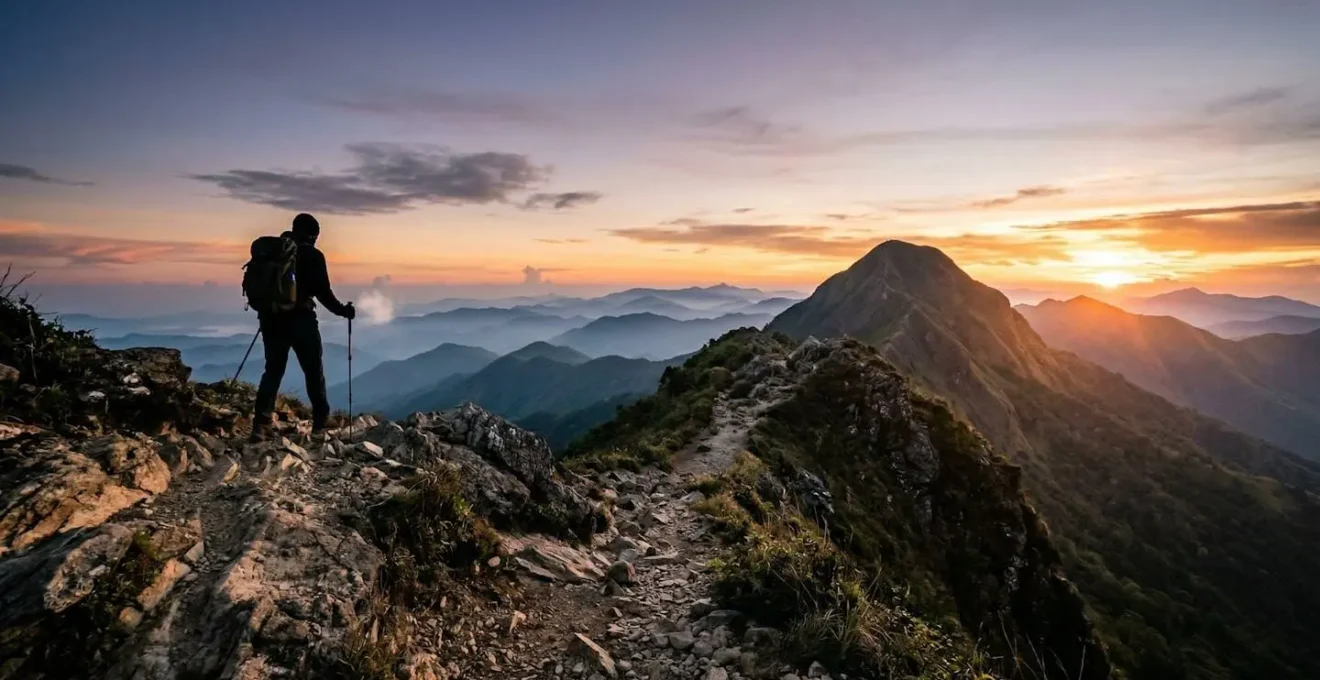
Conquering Pico Duarte is less about raw fitness and more about smart management of altitude, temperature, and energy over multiple days.
- Success requires true winter gear for the summit, where temperatures plummet below freezing despite the Caribbean location.
- Using a mule isn’t a sign of weakness—it’s a strategic tool for energy conservation that separates successful hikers from exhausted ones.
Recommendation: Focus your training on long-duration endurance and acclimatization practice, not just high-intensity climbing.
So, you’ve set your sights on Pico Duarte. Good. It’s the highest peak in the Caribbean, a genuine challenge that demands respect. You’re fit, you hit the gym, maybe you’ve even done some serious day hikes. You think you’re ready. I’ve been guiding hikers up this mountain for years, and I’ve seen that confidence a hundred times. The truth is, the mountain doesn’t care about your gym stats. Most people focus on basic cardio and leg strength, thinking it’s just a very long walk uphill. They pack for a warm-weather trip and completely underestimate what awaits them above the clouds.
This is where they fail. They treat it like any other hike, and they get humbled by one of three adversaries: the altitude that steals their breath, the shocking cold of the summit, or the cumulative fatigue of a multi-day trek that grinds them down. But what if the key wasn’t simply training harder, but training smarter? What if you prepared not just for the climb, but for the specific environmental and physiological challenges that make Pico Duarte unique? This isn’t just another hiking guide listing gear you already know about.
This is a playbook from someone who’s made the trip more than 50 times. We’re going to break down the real challenges. We’ll cover trail selection, the non-negotiable gear you’ll need, how to actually manage altitude sickness, and the strategic decisions that will get you to the summit for that sunrise, not just to the basecamp. Forget what you think you know. It’s time to prepare for the mountain as it is, not as you imagine it to be.
This comprehensive guide will walk you through every critical phase of your preparation, from choosing the right starting point to planning your entire high-adrenaline Dominican adventure. Let’s get you ready for the summit.
Summary: Pico Duarte Expedition: Your No-Nonsense Guide to Training and Summiting
- Jarabacoa or San Juan: Which Trailhead Offers the Best Experience?
- Why You Need Winter Gear for a Caribbean Mountain Hike?
- How to Prevent Altitude Sickness at 3,000 Meters?
- Mule or No Mule: Determining Your Limits on the Ascent
- When to Start the Final Ascent to Catch the Sunrise?
- How to Plan a Mountain Retreat in the Central Cordillera?
- How to Explore the Rainforest Canopy Without Getting Lost?
- How to Build a High-Adrenaline Itinerary for 7 Days in DR?
Jarabacoa or San Juan: Which Trailhead Offers the Best Experience?
Your Pico Duarte expedition begins with a fundamental choice: the trailhead. While several routes exist, the vast majority of hikers choose between starting near Jarabacoa in the north or San Juan de la Maguana in the south. Don’t mistake this for a simple matter of convenience; your choice dictates the trek’s length, difficulty, and overall vibe. The Jarabacoa route, starting from La Ciénaga, is the most popular and well-established path. It’s a more direct, tourist-friendly approach with a clearer infrastructure. This is the route for those who value efficiency and accessibility, with the official park office at Manabao providing guides, gear, and mules. It’s also more economical; a typical 3-day trek from Jarabacoa costs around US$255.
The San Juan route, by contrast, is a longer, more demanding 4-day journey. It offers a more rugged and authentic Dominican rural experience, with operations run by local communities rather than established tourist agencies. The trail itself involves greater overall elevation gain and requires a higher level of self-sufficiency. This path is for the seasoned trekker seeking solitude and a deeper cultural immersion, willing to trade convenience for a more raw adventure. The choice is strategic: do you want a streamlined, proven path or a tougher, more authentic challenge?
To make an informed decision, it’s best to compare the two routes side-by-side. The following breakdown highlights the key differences you’ll face on each trail.
| Aspect | Jarabacoa Route | San Juan Route |
|---|---|---|
| Trail Distance | 23.1 km to summit | Longer 4-day trek |
| Elevation Change | 1,977 meters | Greater overall elevation |
| Infrastructure | Tourist-friendly, established agencies | Local Dominican-run operations |
| Airport Access | 1 hour from STI (Santiago) | Further from major airports |
| Atmosphere | Tourist hub with restaurants | Authentic rural experience |
Why You Need Winter Gear for a Caribbean Mountain Hike?
Listen up, because this is the single biggest mistake I see people make. You’re packing for the Dominican Republic, so you think “sun, beach, tropics.” You are dangerously wrong. The base of the mountain might be warm and humid, but the summit is an entirely different world. We’re talking about a significant altitude of 3,098 meters (10,164 feet), and with that altitude comes a dramatic drop in temperature. This isn’t just “cool mountain air”; this is a genuine temperature shock. It’s common for temperatures to fall below freezing (0°C / 32°F) during the pre-dawn hours at the summit, often with a biting wind that makes it feel even colder.
Your standard hiking fleece and rain jacket won’t cut it. You need to pack legitimate winter gear. This means a system of layers designed to handle moisture and cold. The key is a merino wool base layer that wicks sweat away from your skin, a mid-layer for insulation, and a proper outer shell that is both windproof and waterproof. Most importantly, you need a puffer or down jacket for the final ascent and for the time you’ll spend at the summit waiting for sunrise. Without it, you risk hypothermia. This isn’t an exaggeration; it’s a reality of this microclimate.
Your gear list must also include a warm hat (beanie), gloves, and thick wool socks. These items are not optional extras; they are essential safety equipment. Your body will lose a tremendous amount of heat through your head and extremities in the cold. Preparing for this temperature shock is a core part of your training and planning. It’s what separates a magical sunrise experience from a miserable, dangerously cold ordeal. Don’t be the hiker who has to turn back a kilometer from the summit because they’re shivering uncontrollably.
How to Prevent Altitude Sickness at 3,000 Meters?
Altitude is the invisible enemy on Pico Duarte. You can’t see it, but you will absolutely feel it. At 3,000 meters, the air contains significantly less oxygen than at sea level, and your body needs time to adapt to this change. This process is called acclimatization. Rushing the ascent is the fastest way to develop Acute Mountain Sickness (AMS), whose symptoms range from a persistent headache and nausea to severe dizziness and fatigue. It has nothing to do with your physical fitness; the strongest athletes can be debilitated by AMS if they don’t respect the altitude. Your primary strategy is simple: go slow. Your body needs time to produce more red blood cells to carry oxygen more efficiently.
The trek is typically structured over three days specifically to aid this process. The first day of hiking brings you to the main basecamp, La Compartición, which sits at about 2,450 meters. Spending the night here is a crucial part of your acclimatization. You must hydrate relentlessly—far more than you think you need—and avoid alcohol, which dehydrates you and can mask the early symptoms of AMS. Listen to your body. A mild headache can be normal, but if it persists despite painkillers, or if you feel nauseous or unusually dizzy, you must communicate this to your guide immediately. Pushing through severe symptoms is a gamble you cannot afford to take.
Medical experts provide clear guidelines for ascending to these heights, emphasizing that rest is a non-negotiable part of the process. As the Cleveland Clinic’s medical team advises on acclimatization strategy:
At 8,202 feet (2,500 meters), experts recommend a day of initial rest to acclimate. If you continue ascending, rest every third day.
– Cleveland Clinic Medical Team, Cleveland Clinic Altitude Sickness Prevention Guidelines
For some hikers, especially those with a history of altitude sickness, prophylactic medication like Acetazolamide (Diamox) may be a wise precaution. However, this is a decision that must be made in consultation with your doctor before your trip. It is not a magic bullet and does not replace the fundamental need for slow, steady acclimatization.
Mule or No Mule: Determining Your Limits on the Ascent
Let’s talk about the mules. For some hikers, the idea of using a mule to carry their pack feels like cheating. This mindset is a mistake, born of ego. On a multi-day trek like Pico Duarte, the challenge isn’t a single, explosive effort; it’s about endurance management. Your goal is to arrive at the final basecamp with enough energy reserved for the grueling pre-dawn summit push. Carrying a heavy 15kg (33 lbs) pack for 18 kilometers uphill on day one will drain your reserves, increase your fatigue, and make you more susceptible to injury and altitude sickness.
Using a mule to transport your main pack is not a sign of weakness; it’s a sign of strategic intelligence. This allows you to hike with only a light daypack containing water, snacks, a rain jacket, and other immediate essentials. You conserve an enormous amount of energy that you will desperately need on day two. This is what I call the “Hybrid Strategy”: you do all the hiking, but you let the animal do the heavy lifting. This is how the vast majority of successful summits are achieved, from first-timers to seasoned veterans.
The mules and their handlers, the *arrieros*, are an integral part of the mountain’s culture and logistics. They know the trails better than anyone. A common and effective strategy is to have a mule follow your group. This gives you the option to offload your pack if the trek becomes overwhelming, but more importantly, it ensures your gear arrives at camp, allowing you to focus purely on the hike. The case of one hiker and his mule, Palermo, perfectly illustrates this partnership, where the animal’s support was key to reaching the camp with enough energy left to enjoy the experience, not just endure it.
The Hybrid Strategy for Pico Duarte Success
One hiker recounts how his guide arrived with a mule named Palermo. The group followed the mule all day, stopping for regular breaks. This support allowed them to reach the summit camp at 4:30 PM and return to the main camp by 6 PM for a well-deserved meal by the fire, feeling tired but not completely depleted. They were able to successfully descend the next day, battered but accomplished, a testament to managing energy effectively.
When to Start the Final Ascent to Catch the Sunrise?
The final push to the summit is what this is all about. This is the 2 AM test. It’s a trial of mental fortitude as much as physical strength. The goal is to stand on the highest point in the Caribbean as the sun crests the horizon, a truly magical experience. But to get there, you need a precise, reverse-engineered timeline and the discipline to stick to it. The ascent from La Compartición basecamp to the summit is about 5-6 kilometers of steep, relentless climbing, and you’ll be doing it in the pitch-black cold.
Most groups begin the final ascent around 2:00 AM. This timing is not arbitrary. It’s calculated to allow enough time for a steady, safe pace, with buffers for short breaks. Rushing in the dark is a recipe for a fall, and at this altitude, your pace will be slower than you expect. You must be fully prepared *before* you take your first step. This means having your winter gear on, your headlamp checked, and having forced down a small, energy-rich breakfast with hot tea or coffee. Starting cold and hungry is a critical error.
Some hikers, seeking solitude, have successfully opted for a sunset summit instead. One hiker reported reaching the base camp, having a quick meal, and then immediately pushing for the summit to watch the sunset. They had the peak entirely to themselves in what they described as a “magical” experience. While tempting, this is a high-risk strategy for a first-timer. It means ascending on already-tired legs and, more critically, descending the steep, tricky path in complete darkness after a full day of hiking. For your first attempt, sticking to the proven sunrise plan is the wisest and safest approach.
Your Summit Sunrise Action Plan
- 1:00 AM – Wake Up & Gear Up: Immediately put on all your cold-weather layers. Don’t wait.
- 1:30 AM – Fuel Up: Force down a high-energy breakfast (oatmeal, bread, bananas) and hot drinks. Your body needs the fuel.
- 2:00 AM – Final Checks: Perform a final check of your headlamp (with spare batteries), summit pack, and water supply.
- 2:15 AM – Begin Ascent: Start the climb. Allow a full 2 to 2.5 hours for the steep 5-6 km climb to the peak.
- 4:30 AM – Summit Arrival: Aim to reach the summit in the pre-dawn darkness to witness the stars before the sunrise.
How to Plan a Mountain Retreat in the Central Cordillera?
After the demanding effort of summiting Pico Duarte, your body and mind will need to recover. The Central Cordillera, with Jarabacoa as its hub, is the perfect place for a post-trek mountain retreat. This is your chance to transition from the raw, high-altitude environment to the lush, vibrant life of the Dominican mountains. Don’t just rush back to the coast; spending a few days here is part of the complete experience. Jarabacoa, known as the “City of Eternal Spring,” offers a range of options to suit your recovery style.
The area is a hub for eco-tourism and adventure. You can choose from rustic eco-lodges, glamping domes, or more luxurious mountain resorts with stunning valley views. These places are designed for relaxation and immersion in nature. After days of strenuous hiking, the simple luxury of a comfortable bed, a hot shower, and a chef-prepared meal feels incredible. Many lodges offer amenities like pools, spas, and yoga terraces, providing the perfect environment for total decompression. It’s an opportunity to process the accomplishment of the trek while surrounded by the region’s natural beauty.
However, a mountain retreat doesn’t have to be entirely sedentary. For those with energy to spare, Jarabacoa is the Dominican Republic’s adventure capital. You can tailor your post-hike itinerary based on your remaining energy levels:
- Low-Impact Explorer: Opt for gentle activities that still immerse you in the local culture. Visit a local coffee plantation for a tour and tasting, or take a short, easy walk to one of the area’s beautiful waterfalls, like Salto de Jimenoa.
- Lingering Adventurer: If you’re still craving an adrenaline rush, the Yaque del Norte River offers some of the best whitewater rafting and canyoning in the Caribbean. You can also get a bird’s-eye view of the stunning landscape by paragliding.
- Full Decompression: Sometimes the best activity is no activity at all. Book a stay at an eco-lodge like The Domes at Jarabacoa, read a book by the pool, and simply enjoy the peace of the mountains.
How to Explore the Rainforest Canopy Without Getting Lost?
Once you descend from the high-altitude pine forests of Pico Duarte, you’ll find yourself in a completely different ecosystem: the lush, humid tropical rainforest of the Jarabacoa valley. Exploring this dense canopy is a fantastic way to experience the region’s biodiversity, but it comes with its own set of rules. The forest here is thick, the trails can be slippery and confusing, and it’s easy to get disoriented. The number one rule is simple: always hire a certified local guide. Their knowledge of the terrain, flora, and fauna is indispensable, and they are your best guarantee for a safe and enriching experience.
The rainforest is a world away from the barren, rocky summit of the Pico. The area is crisscrossed by rivers and filled with hidden waterfalls, coffee plantations, and an incredible array of plant and animal life. To explore the canopy safely, you need to be prepared for its specific hazards. This means wearing closed-toed shoes (not sandals) to protect against snakes and insects, using a good insect repellent to prevent mosquito and tick bites, and carrying hiking poles for better stability on muddy, root-covered trails. Never venture off the marked paths on your own.
Fortunately, there are many structured ways to experience the canopy that cater to different comfort and thrill levels, all under expert supervision. These organized tours mitigate the risks while maximizing the fun.
- Low & Slow: For a gentle immersion, look for tours featuring hanging bridges that offer a unique perspective from within the canopy without the high adrenaline. Guided nature walks are also excellent for learning about the local botany.
- High & Fast: For the thrill-seekers, Jarabacoa offers several zipline courses that send you flying through the treetops, providing an exhilarating bird’s-eye view of the forest.
- Deep & Immersive: If you have a specific interest, consider hiring a specialized guide for a birdwatching or botanical tour. They can lead you to the best spots and identify species you would otherwise miss.
Key Takeaways
- Pico Duarte’s main challenges are altitude, freezing summit temperatures, and multi-day endurance, not just fitness.
- Choosing the Jarabacoa trailhead offers a more streamlined and accessible route, while San Juan provides a longer, more rugged experience.
- A “Hybrid Strategy” using a mule to carry your main pack is a smart tactic for conserving critical energy for the final summit push.
How to Build a High-Adrenaline Itinerary for 7 Days in DR?
Summiting Pico Duarte can be the centerpiece of a longer, high-octane week-long adventure in the Dominican Republic. By combining the country’s mountainous interior with its legendary coastline, you can create a “summit to sea” itinerary that packs in a lifetime of thrills. The key is to structure your week logically, putting the most strenuous activity—the Pico Duarte trek—at the beginning, followed by travel, recovery, and water-based adventures. A well-planned 7-day trip allows you to push your limits and then actively recover in a beautiful setting.
Start your week by dedicating three full days to the Pico Duarte expedition. This is the peak intensity phase of your trip. After successfully summiting and descending, Day 4 should be a dedicated travel and recovery day. Use this time to journey from the mountain town of Jarabacoa to the north coast, specifically to the adventure sports hub of Cabarete. This transition day is crucial for allowing your muscles to begin repairing. Once on the coast, you can switch gears to ocean-based adrenaline. Cabarete is world-renowned for its ideal kitesurfing conditions, and spending Day 5 taking lessons is a perfect way to engage different muscle groups.
For Day 6, explore the underwater world with a scuba diving trip in nearby Sosua Bay, known for its clear waters and vibrant reefs. Finally, dedicate Day 7 to active recovery on one of the beautiful beaches like Playa Dorada before your departure. This structure ensures you experience the best of the DR’s adventure offerings without burning out. It’s a challenging but incredibly rewarding way to see the country. This entire high-adrenaline week can be surprisingly affordable, with the core Pico Duarte trek itself often being very reasonably priced.
Here is a sample itinerary that balances peak exertion with active recovery, taking you from the highest point in the Caribbean to the heart of its water sports scene.
| Day | Activity | Intensity Level | Location |
|---|---|---|---|
| Days 1-3 | Pico Duarte Trek (27.6 miles total) | Peak Intensity | Jarabacoa to Summit |
| Day 4 | Travel & Recovery | Rest Day | Jarabacoa to Cabarete |
| Day 5 | Kitesurfing Lessons | Moderate | Cabarete Beach |
| Day 6 | Scuba Diving | Moderate | Sosua Bay |
| Day 7 | Beach Recovery | Active Recovery | Playa Dorada |
Now you have the blueprint. You understand the real challenges and the strategies to overcome them. The next step is to move from planning to action. Start your endurance training, research your gear, and commit to a date. The mountain is waiting.
Frequently Asked Questions about the Pico Duarte Expedition
Should I take Acetazolamide (Diamox) for Pico Duarte?
For a medium-risk ascent like Pico Duarte, a prophylactic prescription of Acetazolamide could be beneficial, according to guidance from the CDC. It’s recommended to carry it for either prevention or treatment of Acute Mountain Sickness (AMS). You should discuss this with your doctor and also consider getting a prescription for dexamethasone for emergency use.
How long should I acclimatize before attempting the summit?
Acclimatizing for a minimum of 2–3 nights at an altitude between 2,450 to 2,750 meters (roughly 8,000–9,000 ft) is highly protective against AMS. The standard 3-day trek itinerary with a night at La Compartición (2,450m) is designed specifically to meet this requirement.
What are early warning signs of altitude sickness vs normal fatigue?
The symptoms of AMS typically appear within the first day of reaching a high altitude. Unlike normal exhaustion, these symptoms include a persistent headache that doesn’t respond to painkillers, nausea, and a feeling of dizziness that is unusual or excessive. If you experience this combination, you must inform your guide and stop ascending.
What’s the difference between Pico Duarte’s pine forest and lowland rainforest?
The two are entirely different ecosystems. The trails of Pico Duarte take you through high-altitude, relatively dry Hispaniolan pine forests. In contrast, the lower elevations around Jarabacoa are characterized by a thick, humid tropical rainforest, dense with broadleaf trees, ferns, and a different array of wildlife.