The most rewarding travel souvenirs are born from connection, not just transaction; the key is to shift your mindset from a consumer to a patron of local culture.
- Authenticity isn’t a label; it’s a verifiable story found in material, technique, and direct conversation with the maker.
- Your purchasing power can either sustain a tourist-facing facade or directly fund an artist’s livelihood and the preservation of their craft lineage.
Recommendation: Before your next trip, prioritize learning one key verification marker for a local craft—it will transform your entire shopping experience from a guess into a treasure hunt.
The search for the perfect travel souvenir often leads to a familiar dilemma. You wander through a vibrant market, surrounded by colorful trinkets and “handmade” goods, yet a nagging question persists: am I looking at a genuine piece of local culture or a mass-produced item designed for the tourist trail? The common advice is to “buy local,” but this simple mantra rarely helps distinguish a true artisan from a reseller. Many travelers want to do more than just acquire an object; they want to support the human hands and the generations of tradition behind the craft. They want a story, a connection.
This desire is often met with generic tips about haggling or looking for handmade labels, which fall short in the face of sophisticated tourist economies. We might hear about the famous Larimar and Amber of the Dominican Republic, but not how to verify their quality. This guide pushes past those platitudes. It isn’t about finding cheaper goods; it’s about finding richer experiences. We will explore how to become a conscious patron of the arts, not just a purchaser of souvenirs. The secret isn’t in finding a different shop, but in adopting a different approach—one rooted in curiosity, observation, and respect.
Instead of a random walk through a market, we will provide a framework for a more intentional journey. We’ll delve into the specific markers of authenticity for iconic Dominican crafts, understand the subtle language of street art, and learn how to engage with creators in a way that is both respectful and rewarding. This is about turning a simple purchase into a meaningful investment in cultural heritage.
Table of Contents: A Guide to Conscious Craft Patronage
- Why Are the Baskets from Baní Considered the Best in the Country?
- Haitian vs Dominican Art: How to Spot the Difference in Street Paintings?
- Altos de Chavón Workshops: Are They Just for Show or Real Production?
- How to Pack Large Canvas Paintings for the Flight Home?
- When Is the Best Time to Visit the Mercado Modelo for Selection?
- How to Buy Custom-Made Jewelry in Santo Domingo?
- How to Participate in Local Traditions Without Being an Intruder?
- How to Tour a Cacao Plantation and Make Your Own Chocolate?
Why Are the Baskets from Baní Considered the Best in the Country?
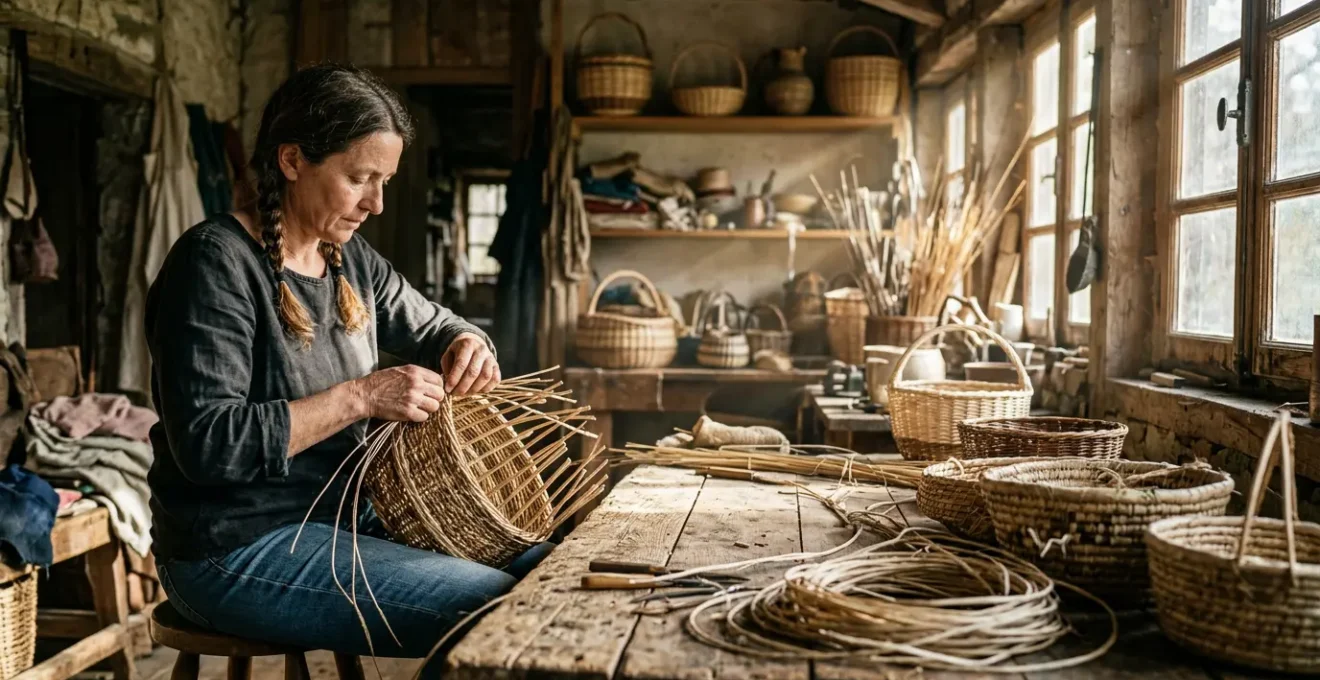
In the Dominican Republic, not all baskets are created equal. Those hailing from the southern province of Peravia, particularly around the city of Baní, hold a legendary status. This reputation isn’t a marketing gimmick; it’s earned through a deep-rooted craft lineage tied to function and materials. Historically, these baskets were not souvenirs but essential tools for agricultural workers, designed to carry salt and produce. This demanded a level of durability that is now the hallmark of their quality. Master weavers in Baní use the guano palm fibers native to their region, a material with unique properties they have understood for generations.
The tradition represents a direct link to the island’s history, with skills passed down from parent to child. The creation process is a testament to patience and expertise. The key to their superiority lies in a weave so tight it’s said they can hold water—a direct result of their original purpose. Unlike decorative imitations, a true Baní basket is an artifact of cultural utility. Recognizing one is the first step in appreciating this heritage. It requires looking beyond the shape and seeing the story woven into its fibers, a process that connects the buyer to the artisan’s specific, localized knowledge.
To identify an authentic piece, you need to engage your senses. Check the tightness of the weave—it should feel dense and solid. Look for the ‘cruz’ or cross pattern at the base, a signature of the master artisans. The rim should be finished with a distinctive braid that prevents unraveling, and the palm fibers themselves should have a natural, subtle variation in color from the sun-drying process. This is the verification process in action: turning you from a passive shopper into an active, appreciative observer.
By learning to spot these details, you are not just buying a basket; you are acknowledging and supporting centuries of Dominican artisanal heritage.
Haitian vs Dominican Art: How to Spot the Difference in Street Paintings?
The vibrant, colorful paintings sold in markets and on streets throughout Hispaniola offer a window into the island’s soul. However, the art of Haiti and the Dominican Republic, while geographically close, spring from distinct cultural and spiritual wells. For the conscious traveler, learning to distinguish between them is an act of cultural appreciation. Haitian art is often characterized by its connection to Vodou, featuring bold primary colors, high-contrast compositions, and symbolic imagery. Look for recurring motifs like serpents (Damballa), ornate figures representing spirits (Lwa), and dreamlike, surrealist scenes. This style often has a flat perspective, prioritizing symbolic power over realistic representation.
In contrast, Dominican art frequently draws from daily rural life (vida campesina), history, and the island’s lush landscapes. The color palette tends to mix earthy tones with tropical brights, creating a different kind of vibrancy. Common Dominican symbols include the iconic Muñeca sin rostro (faceless doll), proud roosters, and the fiery blossoms of the flamboyant tree. The visual style often leans towards a more realistic and dimensional perspective, capturing scenes of community, work, and nature. Understanding these differences transforms a simple preference for one painting over another into an informed choice that acknowledges the unique cultural narrative of each nation.
This visual guide breaks down the key characteristics, helping you become a more discerning patron of Caribbean street art. It provides a cultural entry-point, allowing you to see beyond the surface and understand the stories embedded in the canvas.
| Characteristic | Haitian Art | Dominican Art |
|---|---|---|
| Common Symbols | Erzulie (goddess), Damballa (serpent), Agwe (sea deity) | Muñeca sin rostro (faceless doll), roosters, flamboyant trees |
| Color Palette | Bold primary colors, high contrast | Earth tones mixed with tropical brights |
| Subject Matter | Vodou spirits, dreamscapes, surrealist elements | Daily rural life, historical scenes, campesinos |
| Materials Used | Often recycled materials, metal drums | Traditional canvas, local woods |
| Visual Style | Flat perspective, symbolic representation | More realistic, dimensional perspective |
Your purchase becomes more than an aesthetic choice; it’s a recognition of a specific cultural identity, a nod to the history and beliefs that shape the artist’s vision.
Altos de Chavón Workshops: Are They Just for Show or Real Production?
Perched above the Chavón River, the stunning 16th-century replica village of Altos de Chavón can feel like a perfectly curated tourist attraction. This leads many to wonder if its artisan workshops are merely for show. The answer is nuanced and deeply encouraging for the conscious consumer. Altos de Chavón is, first and foremost, home to a world-renowned school of design, affiliated with Parsons School of Design in New York. The workshops you see are not just a facade; they are part of a living, breathing educational ecosystem. They are both a production center and a commercial showcase, creating a unique opportunity for patronage.
The pieces sold in the official galleries and workshops directly contribute to the school’s mission. As the Caribbean Arts Education Foundation points out, this model serves a dual purpose. A purchase here is an investment in the future of Dominican and international artists.
Altos de Chavón functions as both a world-class design school producing real artists and a curated commercial showcase. Buying from the workshops directly supports student scholarships and educational programs.
– Caribbean Arts Education Foundation, Arts and Crafts – Go Dominican Travel
To engage most authentically, the key is to look beyond the main commercial spaces. The most exciting work is often found in student galleries or during end-of-term exhibitions. This is where you’ll find experimental pieces and raw talent. By asking specifically for student work, you move from being a tourist to being a true patron, discovering and supporting emerging artists at the very beginning of their careers. The best time to do this is during the academic year, from September to May, when the campus is buzzing with creativity. Seeking out these opportunities allows you to acquire a unique piece with an incredible story while directly funding the arts.
Your support can make a tangible difference, validating a young artist’s vision and helping to sustain this vital hub of creativity.
How to Pack Large Canvas Paintings for the Flight Home?
You’ve found it: the perfect painting that captures the spirit of your trip. Now comes the logistical challenge—how to get a large canvas home safely. The fear of damaging your new treasure is real, but fortunately, there is a professional method that gallerists and experienced artists use. The most common mistake travelers make is rolling the canvas with the painted side inward, which can cause the paint to crack and flake. The correct technique, often called the “Museum Roll,” involves rolling the canvas with the paint side facing out. This puts the flexible canvas backing in compression and the delicate painted surface in tension, protecting its integrity.
Before you begin, ensure the painting is completely dry, which can take 24-48 hours for oil or thick acrylics. A layer of acid-free glassine paper over the surface provides an extra layer of protection. Once rolled, the canvas should be placed inside a sturdy cardboard tube that is at least two inches wider than the rolled art to prevent crushing. This method is the standard for safely transporting unframed art across the globe. Many established artists are familiar with this process and may even offer to pack it for you for a small fee, which is often a wise investment.
This service is another form of direct patronage. By paying the artist an extra $10-$30, you’re not only ensuring the safe transport of your art but also providing them with additional income and acknowledging their expertise beyond the canvas. It’s a small price for peace of mind and another way to support the person behind the art.
Your Action Plan: The Museum Roll Method for Packing Art
- Let the painting dry completely (at least 24-48 hours for oils).
- Place acid-free glassine paper over the painted surface to prevent sticking.
- Roll the canvas with the PAINT SIDE OUT around a smaller tube if possible to prevent cracking.
- Secure the roll with painter’s tape (not adhesive tape) at several intervals.
- Insert the rolled canvas into a hard cardboard mailing tube at least 2 inches wider than the canvas.
- Cap both ends securely and label the tube clearly as “FRAGILE – ARTWORK.”
Ultimately, a successful packing job is the final act of care for the artwork you’ve chosen to bring into your life.
When Is the Best Time to Visit the Mercado Modelo for Selection?
The Mercado Modelo in Santo Domingo is an exhilarating, and sometimes overwhelming, labyrinth of Dominican crafts. For a conscious buyer seeking the best selection and the most direct connection to artisans, timing is everything. While the market is open all week, the rhythm of commerce ebbs and flows. The key is to understand when the artisans themselves are present, rather than just their resellers. Many of the most talented craftspeople live in rural areas and travel to the city to sell their goods. Their arrival transforms the market’s inventory from standard fare to a treasure trove of fresh, unique pieces.
The best selection isn’t found during the weekend rush, but on the days leading up to it. Market research shows that Thursday and Friday mornings see 40% more rural artisans bringing fresh stock to urban markets like the Mercado Modelo. Arriving between 9 AM and 11 AM on these days puts you in the prime position to see the highest quality and widest variety of crafts before they are picked over. You’ll encounter artisans who are still setting up their stalls, full of pride for their latest creations.
This early morning window offers more than just a better selection; it provides a more relaxed atmosphere for interaction. The artisans are not yet tired from a long day of haggling. There is time for conversation, to hear the story behind a piece, and to build the kind of connection that turns a souvenir into a cherished memory. Shopping during this peak arrival time is a strategic move that aligns your visit with the natural pulse of the local artisan economy, maximizing your chances of a meaningful find and a genuine interaction.
By aligning your schedule with the artisans’, you shift the odds dramatically in your favor, transforming a potentially chaotic experience into a focused and rewarding treasure hunt.
How to Buy Custom-Made Jewelry in Santo Domingo?
Commissioning a piece of custom jewelry is the ultimate act of patronage. It moves beyond selecting a pre-made item to co-creating a unique treasure. The Dominican Republic, with its world-famous Larimar and Amber, is the perfect place for such an experience. However, this process requires trust and clear communication. The first step is to vet the jeweler. Don’t be swayed by a slick storefront alone. Ask to see their certifications for authentic Larimar and Amber and, most importantly, request to see a portfolio of their previous custom work. This will give you a clear sense of their skill and style.
Once you’ve chosen an artisan, the design consultation begins. Bring visual references if you have them, but also be open to the jeweler’s expertise. Learning a few key Spanish terms like ‘diseño’ (design), ‘tamaño’ (size), and ‘piedra’ (stone) can bridge communication gaps and show respect for their craft. A reputable jeweler will provide a clear quote and require a deposit, typically 30-50% upfront, before beginning work. To ensure the final piece matches your vision, ask for progress photos every few days. This keeps you involved and allows for minor adjustments along the way. The final inspection is crucial; carefully check the quality against your original design before making the final payment.
This verification process is especially vital when dealing with high-value materials like Larimar. Found only in a single mountain in the Barahona province, its quality and value can vary dramatically.
Case Study: Larimar Authentication and Grading
True Larimar, a rare blue pectolite, has a unique fibrous structure visible under magnification and feels cool to the touch. Its quality is graded based on color intensity (deep volcanic blue is most prized), pattern, and translucency. Fakes, often made from dyed calcite or glass, lack these properties. A trustworthy jeweler will not only be able to explain these grades but should also be able to provide a certificate of authenticity tracing the stone back to the Bahoruco mine region, guaranteeing you are investing in the real thing.
The final result is more than a souvenir; it’s a wearable piece of art imbued with the memory of its creation and the spirit of the island.
How to Participate in Local Traditions Without Being an Intruder?
The most meaningful travel experiences often happen when we step off the beaten path and witness local life up close. Watching an artisan at work is a privilege, but it’s easy to feel like an intruder, turning a moment of authentic creation into a spectacle. The key to navigating this is respectful engagement, a skill that can be learned and practiced. It begins with shifting your perspective from that of a consumer to that of a guest. The goal isn’t just to observe, but to connect in a way that honors the artisan’s space, time, and talent.
A simple, powerful framework for this is the “Ladder of Respectful Engagement.” It provides a series of small, escalating steps that allow you to gauge an artisan’s openness and build rapport. Start by observing from a respectful distance. If the moment feels right, make eye contact and offer a smile. This simple, non-verbal cue shows appreciation without interrupting their flow. The next rung might be asking for permission to watch more closely with a simple ‘¿Con permiso?’. This gesture transforms your presence from an assumption to a request, which is almost always welcomed. Only after establishing this basic level of connection should you consider asking a simple, appreciative question about their craft.
This entire philosophy is beautifully summarized by Tony Carne of Urban Adventures, who champions a more connected way of traveling. His words remind us that our choices as travelers have a real impact on the communities we visit.
Our advice on shopping is always pretty much the same – always try and support local producers, makers and artisans. This way, you are giving back to the community that is supporting you on your travels, and you will meet fascinating people and have more interesting stories to tell.
– Tony Carne, Urban Adventures
The final step on the ladder is making a purchase. In this framework, a purchase is not the goal of the interaction, but rather the culmination of it. It’s an exchange that earns you the right to a longer conversation, to ask more questions, and to truly hear the story of the person behind the art. It reframes bargaining not as a contest to get the lowest price, but as a fair negotiation that respects the artisan’s livelihood. In many cultures, a respectful negotiation is part of the process, but it should be based on a genuine appreciation of the work, not an attempt to devalue it.
This mindful approach doesn’t just lead to better souvenirs; it leads to more profound human connections, which are the most valuable treasures we can bring home from our travels.
Key Takeaways
- Shift your mindset from a “tourist” buying a “souvenir” to a “patron” supporting an “artisan” and their cultural heritage.
- Authenticity is verifiable. Learn to spot the specific material and technique markers of a craft, like the tight weave of a Baní basket or the symbols in Haitian art.
- Your money is a powerful tool. Prioritize buying directly from artists, student galleries, or family-run cooperatives to ensure the maximum financial benefit stays within the community.
How to Tour a Cacao Plantation and Make Your Own Chocolate?
The concept of artisan patronage extends beyond workshops and into the fields. In the Dominican Republic, a world-class producer of organic cacao, touring a plantation offers a chance to connect with the agricultural roots of a beloved treat. However, just like with crafts, there’s a difference between a “demonstration garden” for tourists and a real, working farm. To ensure your experience is authentic and your money is truly supporting farmers, you must learn to ask the right questions. An authentic “bean-to-bar” tour should be a transparent and hands-on journey.
Before booking, inquire if it’s a productive farm or just a show garden. Ask who leads the tour—an actual farmer or a professional guide? A farmer’s insight is invaluable. Most importantly, ask what percentage of the tour price goes directly to the farmers or their cooperative. This question cuts to the heart of fair-trade tourism. A genuine experience will involve you handling real cacao pods from their trees and participating in all the key steps of chocolate making, from roasting and grinding the beans to tempering the final product. The ultimate sign of a true workshop is being able to take home the chocolate you made yourself.
The choice between a small, family-owned farm and a large commercial operation has a significant impact. Research on craft tourism shows that tours run by farming cooperatives or family-owned farms can provide up to 65% more direct financial benefit to local communities. These smaller operations offer more authentic experiences, often sharing traditional fermentation methods and family recipes that have been passed down for generations. The satisfaction reported by visitors is consistently higher when their guide is also the farmer, creating a powerful link between the land, the product, and the people.
By choosing wisely, your chocolate tour becomes more than a fun activity; it becomes a direct investment in sustainable agriculture and the families who are the stewards of this delicious craft.
Frequently Asked Questions about Artisan Shopping
How can I show appreciation beyond just buying?
Ask for their social media handle to tag them in posts, which can be a huge boost for their business. Leaving detailed positive online reviews that mention the artisan by name is also incredibly valuable. If you cannot afford a large piece, purchasing a smaller item still shows support and opens the door for a warm interaction.
When should I use a guide as cultural translator?
A certified local guide is invaluable, especially when visiting remote communities or an artist’s home studio. They can make proper introductions, explain subtle social cues in real-time, and ensure your presence is welcomed and not disruptive. Their role is to build a bridge of understanding, making the interaction smoother and more meaningful for both you and the artisan.
What if I accidentally offend someone?
A sincere, simple apology (‘Lo siento’ in Spanish) is the best first step. Step back, give them space, and read their body language. If you’re with a guide, ask for their help in clarifying the misunderstanding. Most artisans can distinguish a genuine, clumsy attempt to connect from a disrespectful attitude and will appreciate your effort to make amends.